
Beef Sukiyaki
Serves: 4
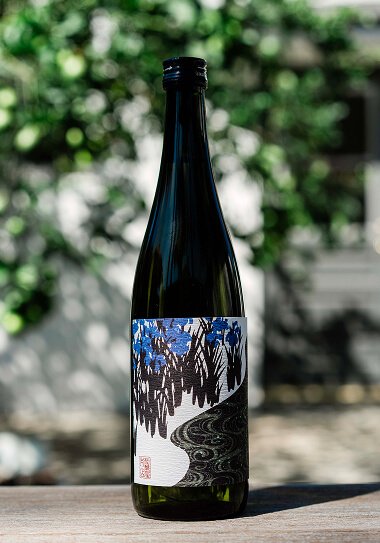
Sukiyaki is a traditional Japanese hot pot dish that is considered a special meal in Japan. Beef sukiyaki and aged sake pair exceptionally well because both share a depth of rich, savory flavors. The tender, slightly sweet, and umami-packed beef simmered in soy, mirin, and sugar is complemented by the complex, mellow character of aged sake, which often carries notes of caramel, nuts, and gentle oxidation. The sake’s subtle acidity and smooth texture cut through the richness of the dish, while its developed umami echoes and enhances the savory flavors of the sukiyaki, creating a warm, balanced, and harmonious dining experience.
Pair With
Ingredients
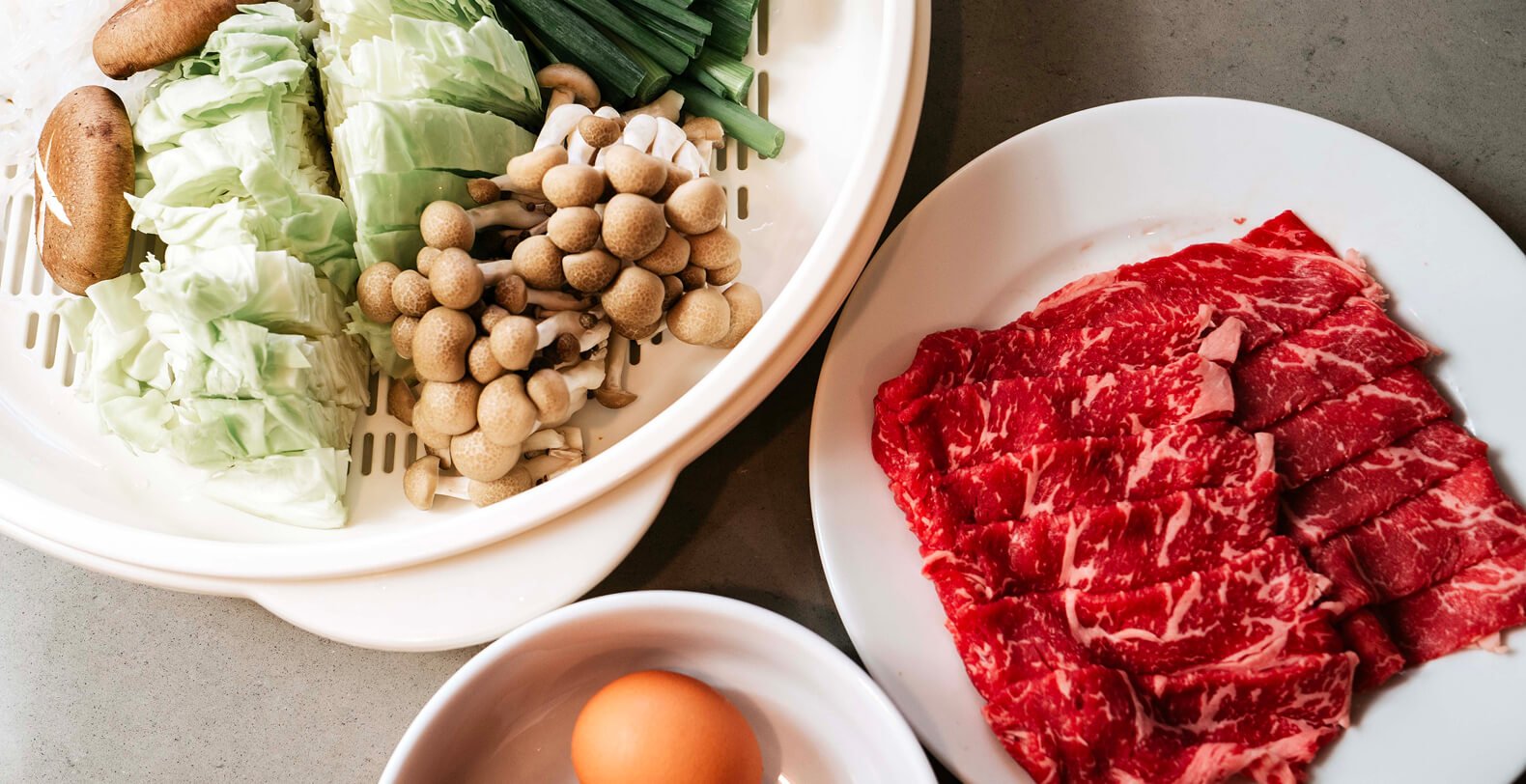
1 pound of high-quality ribeye beef thinly sliced (look for sukiyaki cut in Japanese grocery store)
Half to one-quarter of cabbage or Chinese cabbage or both
Any type of Asian mushrooms such as shiitake, enoki, shimeji (beech mushroom), or hiratake (oyster mushroom)
1 bunch of green onion
½ medium firm tofu
1 bag of konjac noodles or shirataki noodles (thin, translucent noodles made from the konjac plant, a root vegetable native to Japan)
3 TBS of sugar
2 TBS mirin (sweet rice wine)
2 TBS sake
4 TBS soy sauce
4 eggs
A dash of vinegar
Chili sauce for flavor
1 TBS of cooking oil
Note: Options to add other vegetables like mizuna (Japanese mustard greens), chrysanthemum greens, thinly sliced onions, carrots, etc.
Directions
Step 1
Wash all vegetables (cabbages, mushrooms, green onions, etc.), tofu, and konjac noodles. Cut them to one bite size and drain them well.
Step 2
Start heating a large sauté pan or shallow pot with a small portion of cooking oil. First, cook beef and flavor it with sugar, mirin, sake, and soy sauce. (Tip: When it comes to seasoning, it is important to add sweet components first, namely sugar and then mirin and sake and finally soy sauce at the very end. If you add soy sauce first, it will make it difficult to incorporate the sweet flavors into the dish, meaning that you will need to add lots of sugar to balance the overall sweetness level.)
Step 3
Next, add all vegetables, tofu, and konjak noodles neatly without mixing the different ingredients for presentation purposes. Season them as mentioned in the order of sugar, mirin, sake, and soy sauce. Place a lid over and simmer until all vegetables are cooked. While you are simmering, stir the ingredients to ensure the sauce is evenly incorporated.
Step 4
Simultaneously, start boiling water to make poached eggs. Add a dash of vinegar in the boiling water before adding the eggs. Lower the heat and bring the water to a simmer and gently cook one egg at a time. Cook only for about 3 minutes to enjoy the runny yolk when you eat.
Step 5
Place the cooked sukiyaki on the table and enjoy it family-style with freshly cooked rice!